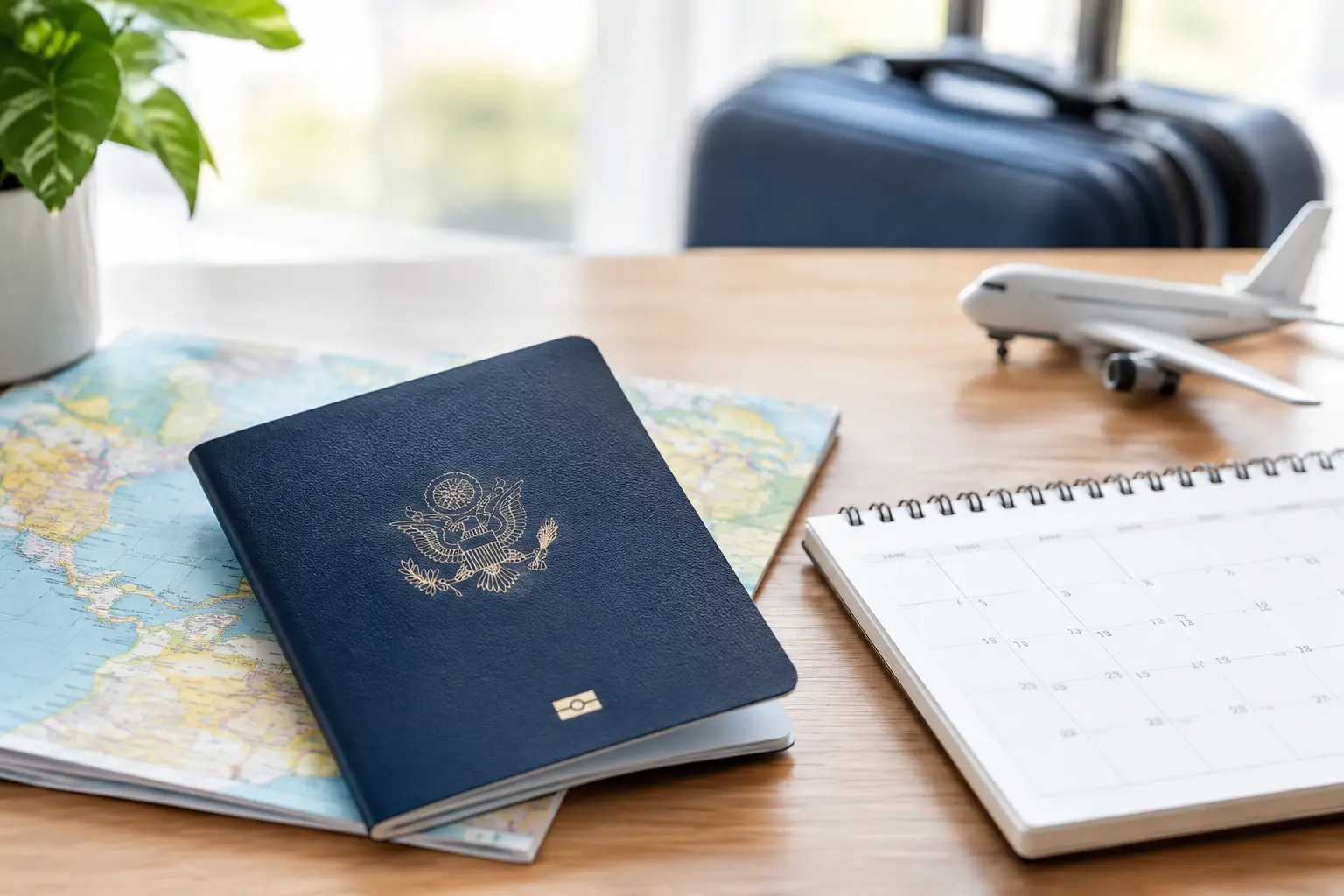
A passport that expires after your return date can still disrupt an international trip. Passport renewal timing is not only about the date printed in the passport book. Airlines, destination governments, transit countries, and visa processes may each apply their own document-validity requirements. The practical question is not simply, “Is my passport expired?” It is, “Will every part of this trip accept it?”
For most U.S. leisure travelers, the safest approach is to review passport validity before airfare, tours, or nonrefundable accommodations are purchased. That early check creates options. Waiting until the final weeks before departure usually creates cost, stress, and fewer alternatives.
When to Start Passport Renewal Timing
A useful planning standard is to begin reviewing your passport about nine months before any international trip and to submit a renewal application when roughly six months of validity remain. This is more conservative than some destinations require, but it accounts for processing variability and the common six-month passport-validity rule.
Many countries require a traveler’s passport to remain valid for at least six months beyond the date of entry, departure, or intended stay. Other countries require three months, while some accept a passport that is valid only for the duration of the trip. Requirements can differ based on nationality, route, visa type, and whether you are transiting through another country.
That variation makes a six-month cushion a practical operating standard, not a universal legal rule. A traveler flying directly to one destination may be eligible to board, while another traveler on the same itinerary with a connection or cruise stop may face a different requirement.
Work Backward From Your Departure Date
Renewal decisions should be based on the trip date, not the expiration date alone. Start with your planned departure and work backward through the time needed for application preparation, government processing, shipping, and any visa application.
For a trip several months away, routine renewal processing may be appropriate if current government timeframes leave a comfortable margin. Processing estimates can change, especially during high-demand travel periods. Treat published estimates as planning guidance rather than a guarantee, and build additional time around them.
If travel is closer, expedited processing may be worth the added fee. This option can reduce the government processing window, but it does not eliminate the need to prepare a complete application, submit acceptable photos, provide required documentation, and allow time for delivery. Expedited service is a timing tool, not a solution for incomplete paperwork.
When international travel is imminent, travelers may qualify for an urgent passport appointment under specific circumstances. Appointment availability, eligibility standards, and documentation requirements can change. Travelers should verify current procedures directly through official U.S. passport channels before assuming an urgent appointment will be available.
The Six-Month Rule and Other Common Traps
The six-month rule causes understandable confusion because it is often described as though it applies everywhere. It does not. Still, relying on an exception can create unnecessary exposure when plans change.
A passport with four months remaining might be accepted for a short trip to one country. But if a flight cancellation reroutes the traveler through a country with stricter rules, or if a cruise itinerary changes ports, the traveler may have limited flexibility. Airlines also verify documents before boarding and may apply the rules associated with the destination and routing.
Visa requirements add another layer. Some visa applications require a passport to be valid for a specified period beyond travel, and some visas cannot be transferred easily after a passport is replaced. If you need a visa, renew the passport first whenever possible, then apply using the new passport details. Replacing a passport after a visa is issued may complicate travel documentation.
Travelers should also check the condition of the passport. A passport may have time remaining but still be rejected if it is significantly damaged, altered, water-stained, or missing required pages. A passport with limited blank visa pages can also be an issue for certain international itineraries.
Choose the Renewal Method That Matches the Trip
Eligible adults may be able to renew by mail or use online renewal when the service is available and their circumstances meet current requirements. Other travelers must apply in person, including many first-time applicants, minors, and people whose prior passport does not qualify for renewal.
The right method depends on both eligibility and time. Mailing can be efficient for a traveler with ample lead time, but it requires sending the current passport and allowing for shipping in both directions. Applying in person may be necessary when eligibility rules require it, when a traveler needs a passport card and book for different uses, or when an urgent travel process applies.
Do not wait until application day to identify photo, payment, and mailing requirements. Passport photos must meet specific standards. A photo that appears acceptable on a phone screen may still be rejected because of sizing, lighting, expression, background, or recent appearance requirements. One preventable photo problem can consume valuable time.
For families, renewal schedules rarely line up neatly. Children’s passports have different validity periods and renewal rules than adult passports. A family should review every traveler’s documents at once, including infants and children, rather than assuming a parent’s valid passport resolves the group’s readiness.
Build a Travel Document Checkpoint
A simple document checkpoint helps avoid last-minute surprises. Review passports when you begin trip planning, again before making final payment, and once more before online check-in. At each checkpoint, confirm passport expiration, name accuracy, destination entry rules, transit requirements, visa needs, and the time needed to receive renewed documents.
Name matching deserves particular attention. The name on the passport should align with the name used for airline reservations. If a recent marriage, divorce, or legal name change affects travel documents, allow extra time to resolve the difference. A booking can sometimes be corrected, but not every fare or airline process handles changes the same way.
Keep a secure record of passport details separately from the passport itself. This can assist if a document is lost or stolen during travel. However, a copy is not a substitute for the original passport at an airport, border, or cruise terminal.
What to Do If Your Trip Is Already Close
When departure is near, start by confirming the exact destination and transit rules. Do not assume a friend’s prior experience or a general online statement applies to your itinerary. Then determine whether your current passport is acceptable, whether expedited renewal could meet the timeline, and whether an urgent appointment process may be available.
Be realistic about nonrefundable plans. A prepaid flight or hotel does not change passport issuance timelines or border-entry rules. If the document situation is uncertain, flexible airfare, travel protection terms, and adjustable reservations may have more value than trying to force an unworkable schedule.
A travel representative can help travelers organize itinerary details and identify where document questions may affect a booking. GLENDATRAVEL travelers should still rely on official government sources for final passport, visa, and entry decisions, since those rules are set by authorities and can change without notice.
A Better Rule Than “Renew at Expiration”
The most reliable habit is to treat passport renewal as part of trip readiness, not as an administrative task for the expiration month. Renewing early may leave unused validity on the old passport, but it can protect a larger investment in airfare, accommodations, and time away.
Before the next international booking, open every traveler’s passport and check the date. A few minutes of planning now can preserve the flexibility that makes travel feel manageable later.
Leave a Reply